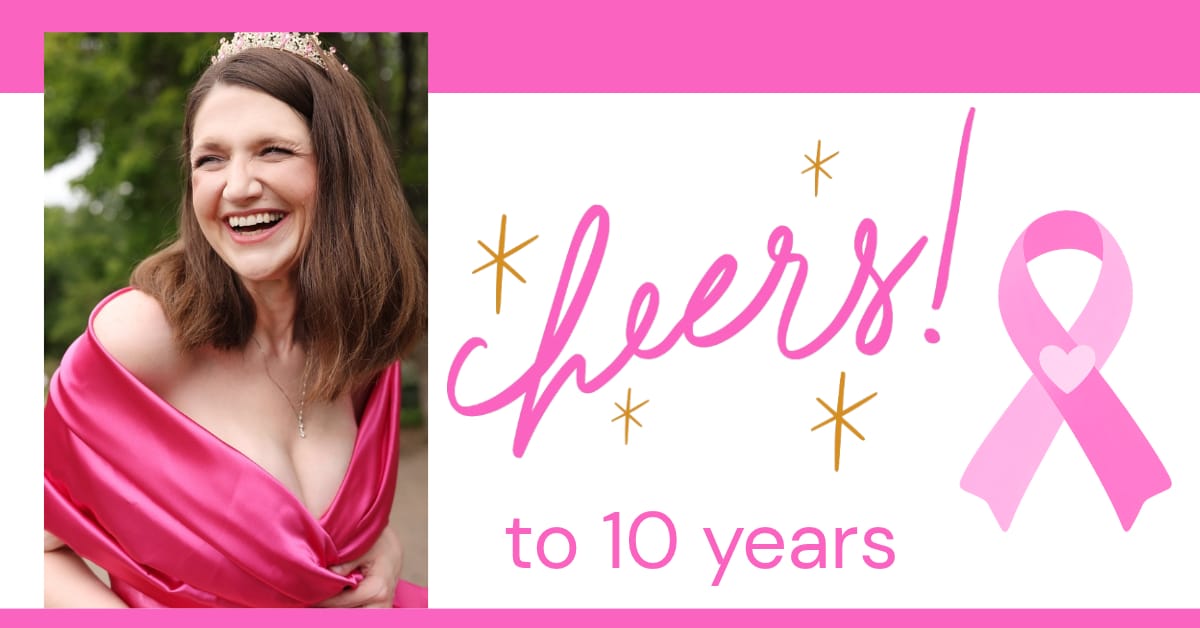
Ten years ago, Danielle Rudder, was working as a nurse in family medicine, pursuing her advanced nursing degree and raising two young boys. Then, at just 36, she found herself in a role she never expected: breast cancer patient.
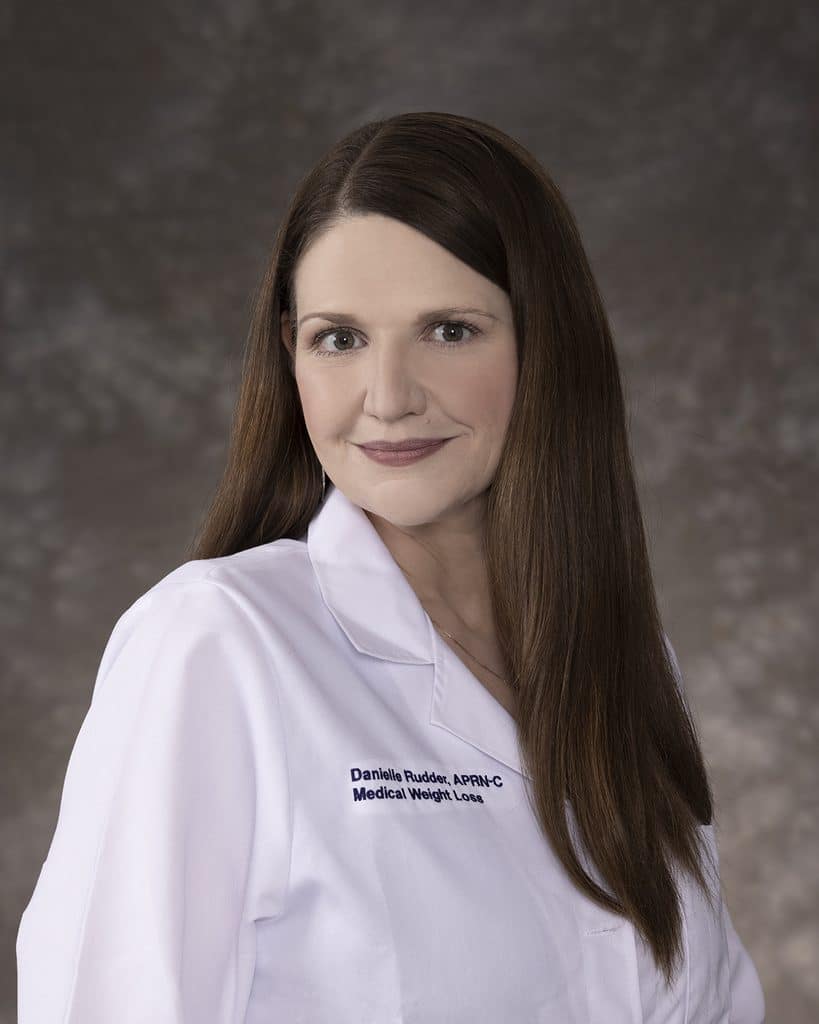
As a fifth-generation breast cancer survivor, Danielle always had a feeling cancer might someday become part of her story. Her mother was diagnosed at 50, her grandmother in her 70s, her great-aunt in her late 40s, her great-grandmother in her 60s and her great-great-grandmother later in life.
Even with that family history, nothing prepared her to hear that she had breast cancer at 36.
Today, Danielle is celebrating 10 years of survivorship and is a medical weight loss provider at The University of Kansas Health System St. Francis Campus. She is sharing her story to encourage others to know their family history, pay attention to changes in their bodies and advocate for their health.
Knowing something wasn’t right
Danielle’s journey began in April 2016 when she felt a lump in her left breast during a routine self-exam. She knew it wasn’t normal for her and immediately made an appointment at the Women’s Center at St. Francis Campus.
Kierston Bocquin, APRN, examined Danielle and not only located the primary tumor but also identified a second area of concern. She sent breast fluid for testing and ordered a diagnostic mammogram and ultrasound. The night before Danielle’s mammogram, Kierston called to tell her that abnormal cells had been found in the fluid and that she had also ordered a ductogram.
The initial mammogram and ultrasound were read as normal, and no further testing was recommended. Danielle, however, still felt something wasn’t right. At her well-woman exam the following week, she shared her concerns about the abnormal cells and her extensive family history and was referred to a surgeon for a biopsy.
That June, a biopsy of the smaller tumor revealed ductal carcinoma in situ, or DCIS. Because the larger area still needed to be evaluated, Danielle had a breast MRI the following month. The scan revealed invasive ductal carcinoma in the larger tumor with cancer in a sentinel lymph node.
Danielle was diagnosed with ER-positive, PR-positive and HER2-negative invasive ductal carcinoma with associated DCIS and sentinel node involvement. Genetic testing later revealed that she carries an ATM gene mutation linked to breast cancer.
Looking back, Danielle credits both her own persistence and the providers who listened to her with helping her find answers.
When a nurse becomes the patient
At the time of her diagnosis, Danielle was working as a triage nurse in family medicine while attending graduate school to become an advanced nurse practitioner. Accustomed to taking care of others, she was suddenly the one who needed care, and many of those caring for her were her colleagues at St. Francis.
“Most health care professionals would tell you nurses are the worst patients,” Danielle said. “It is hard to step out of the caregiving role into the role of needing care.”
Her experience as a nurse also influenced whom she chose for her care. Danielle had worked with surgeon Sidney Hu, MD, and oncologist Adrian Caracioni, MD, and had seen firsthand how they cared for patients. She trusted them with her own care and trusted their recommendations for other members of her care team.
Over the months that followed, Danielle underwent four rounds of chemotherapy, 37 radiation treatments and seven surgeries while continuing graduate school, raising her 2- and 5-year-old sons and navigating life outside of cancer treatment.
Along the way, she experienced firsthand the difference it can make when health care providers listen and advocate for their patients. Receiving care from her St. Francis colleagues also gave Danielle a new appreciation for the patient experience.
“I can’t tell you how blessed I am to have had providers who listened, advocated and supported me,” she said.
A conversation that changed her sister’s life
Danielle’s experience would soon have an impact on another member of her family.
As she prepared for a bilateral mastectomy in July 2016, Danielle was talking with her mother and sister in pre-op. Her sister mentioned that her recent 3D mammogram had come back clear. Knowing that dense breast tissue had hidden her own tumors on mammography, Danielle urged her sister to ask about a baseline MRI. Her sister’s care team advocated for insurance coverage, and the MRI revealed ductal carcinoma in both breasts.
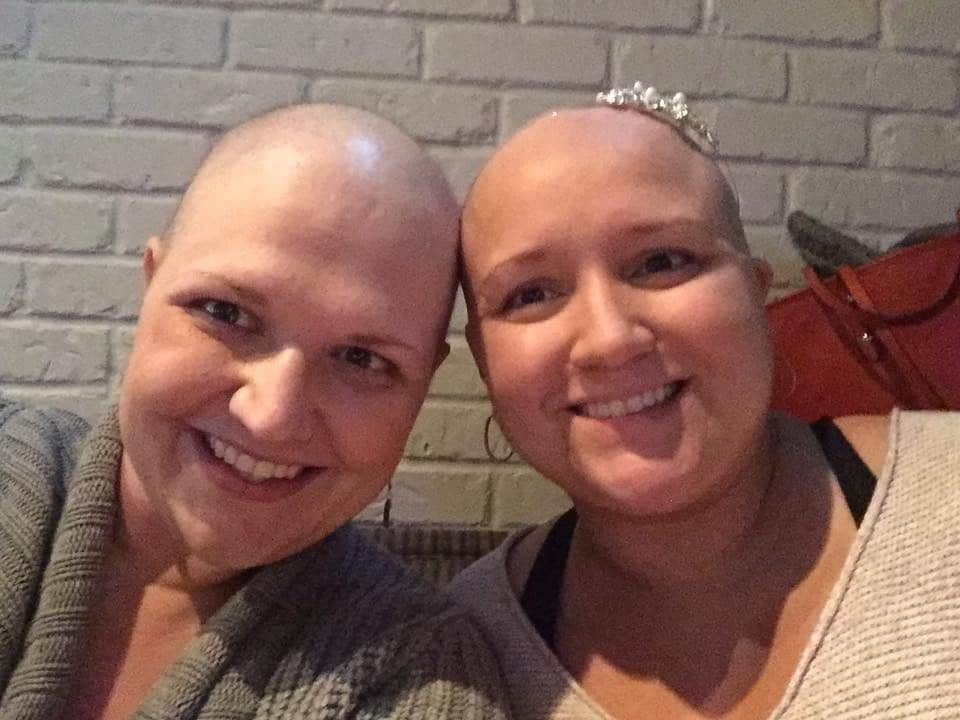
Just six months after Danielle began her cancer journey, her sister began her own. Surprisingly, her sister later tested negative for the ATM gene mutation Danielle carries.
For Danielle, her sister’s experience reinforced something she had learned through her own diagnosis: test results are only one part of the picture. Understanding your individual risk, knowing what is normal for your body and talking with your health care provider when something changes matter, too.
Turning survivorship into advocacy
Ten years later, Danielle’s experience continues to shape both her life and the way she cares for patients.

“I am a much bigger advocate for my patients, my family and my coworkers,” she said. “I also try to be transparent with my patients about their health. I’m only here because Kierston told me about the abnormal cells. Having that knowledge is what pushed me to advocate for myself and figure out what was going on in my body.”
Danielle has also turned her experience with breast cancer into opportunities to educate and advocate for others. In 2019, she and a colleague were invited to speak about obesity and cancer at Pink Platoon, a breast cancer survivor “boot camp.” Since then, she has spoken at multiple conferences and recently won a speech contest with a speech about her cancer journey. She also volunteers as a Global Educator for KNOW YOUR LEMONS, helping raise awareness about breast health, risk factors and the importance of recognizing changes in your body.
For Danielle, early detection and awareness are messages worth sharing because finding breast cancer earlier can potentially mean better outcomes and less intensive treatment for some patients.
But her message starts somewhere even simpler.
“Know YOUR body and advocate for yourself when you know something isn’t right,” Danielle said. “YOU know your body better than anyone else. I knew the lump I found during my self-exam wasn’t normal, and I pushed them to find the answers.”
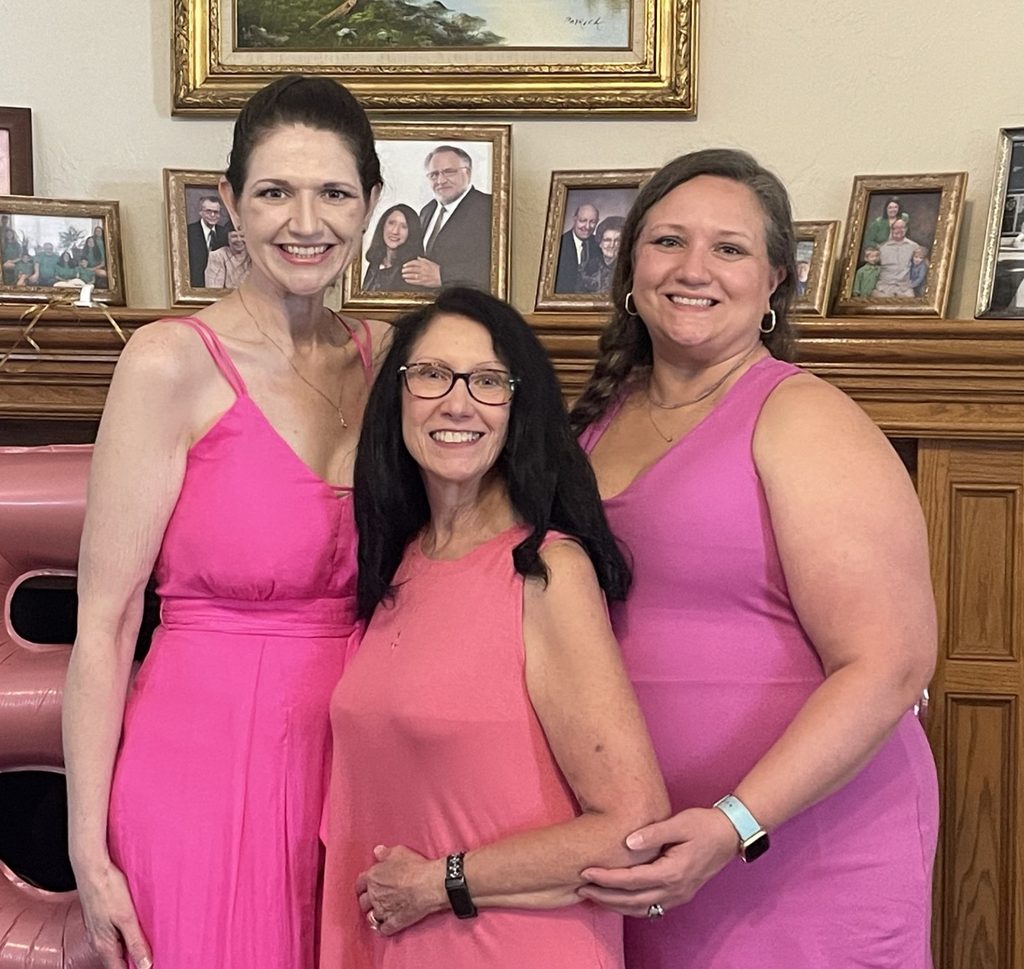
Ten years later, her sons, just 2 and 5 when her journey began, are now nearly 13 and 16. To commemorate a decade of survivorship, Danielle celebrated her “Cancerversary” with family and friends and special photo shoot .For her, the milestone is a chance to celebrate how far she has come and the moments she once wasn’t sure she would see.
Breast cancer may run through five generations of her family, but so does resilience. Danielle hopes that by sharing her journey, others will feel empowered to take an active role in their health and find hope in what can come after a breast cancer diagnosis.
Take the next step for your breast health
Early detection can make a difference. Talk with your health care provider about your individual breast cancer risk and which screenings are right for you. If you’re due for a mammogram, make your breast health a priority and schedule your screening.