-

Do You Know Your Risk?
Read more: Do You Know Your Risk?Breast cancer is one of the most common types of cancer in American women. Roughly 13%, or one in eight women, will develop breast cancer in their lifetime. New advancements in detection and treatment have increased breast cancer survival rates, and when caught in its earliest, localized stages, the survival rate is over 99%. One…
-
What to Know About Dense Breasts
Read more: What to Know About Dense BreastsIf you had a mammogram recently, it may have shown that you have dense breasts. Although this finding is common, many people aren’t sure what this means or how it may affect their health. Having dense breast tissue isn’t something you can see or feel, but it can make breast cancer harder to detect on…
-
Questions to ask during your first obstetrics appointment
Read more: Questions to ask during your first obstetrics appointmentA new pregnancy is exciting, emotional and sometimes a little overwhelming! One of the most important first steps to take as an expectant parent is choosing the right obstetrics provider (OB-GYN). The right provider should: The first appointment with them is your opportunity to start building a relationship with the OB-GYN who will guide you…
-
What to expect at your first mammogram
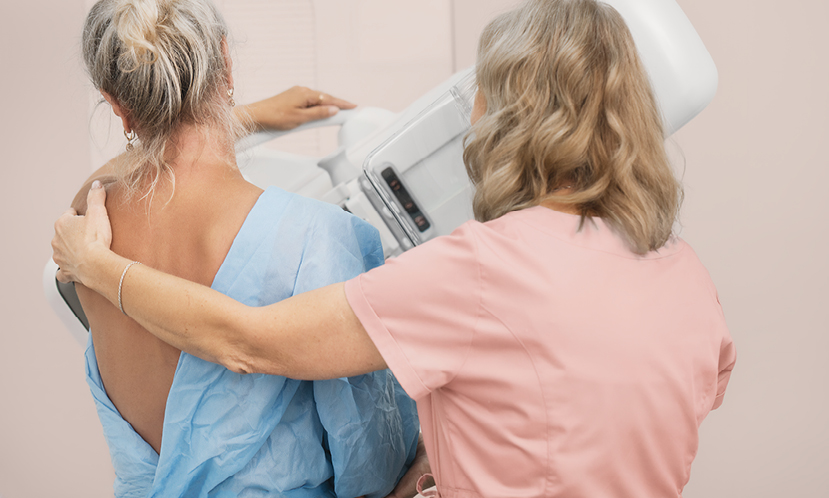
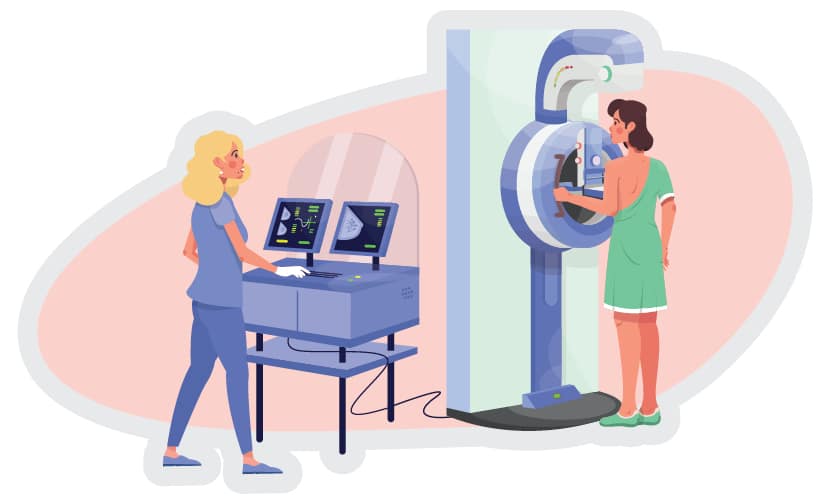
Read more: What to expect at your first mammogramIf you’ve never had a mammogram before, it can be hard to know exactly what will happen. You may have many questions before, during and after the procedure about anything from preparation, the mammogram machine or your screening results. The good news is that a mammogram is a quick, simple screening that plays an important…
-
Frequently asked questions about the flu
Read more: Frequently asked questions about the fluInfluenza (“the flu”) can be more than a nasty seasonal bug. In some severe cases, the respiratory illness can cause serious complications, especially in older adults, younger children and other more vulnerable populations. Symptoms of the flu include fever, chills, coughing, sore throats, fatigue, and sometimes vomiting or diarrhea. Although it’s a relatively common illness,…
-

How to Choose a Primary Care Provider
Read more: How to Choose a Primary Care ProviderHaving a primary care provider (PCP) that you see regularly is a great way to stay ahead of your health. They can ensure you receive annual exams on time, treat minor illnesses and injuries, and provide screenings to detect high blood pressure and high cholesterol. Whether you’re seeking a routine check-up or treatment for a…
-

5 Tips for Better Joint Health
Read more: 5 Tips for Better Joint HealthJoint pain can affect your everyday quality of life. However, prioritizing your orthopedic health ahead of time can make the difference between a minor orthopedic injury and a debilitating condition. Whether you’re feeling the first twinges of joint pain or still feeling spry and nimble, we’ve compiled a few steps you can take to improve…
-
Flu Vaccine Myths vs. Facts
Read more: Flu Vaccine Myths vs. FactsCatching the flu can be stressful. If you’ve ever had it, you know how uncomfortable or downright miserable it can be. Still, many people don’t prioritize getting a flu shot. Some people question the vaccine’s effectiveness, while others may think it’s simply not worth the time and energy. There’s no shortage of misinformation when it…
-

What to do if you get heat stroke
Read more: What to do if you get heat strokeJuly and August typically include some of the hottest temperatures of the year. The University of Kansas Health System St. Francis Campus’ emergency medicine experts have these tips for if you or someone you know experiences heat stroke. What do you need to know about heat stroke? Most often, heat stroke happens in people who…
-
10 Questions to Ask an Orthopedic Specialist
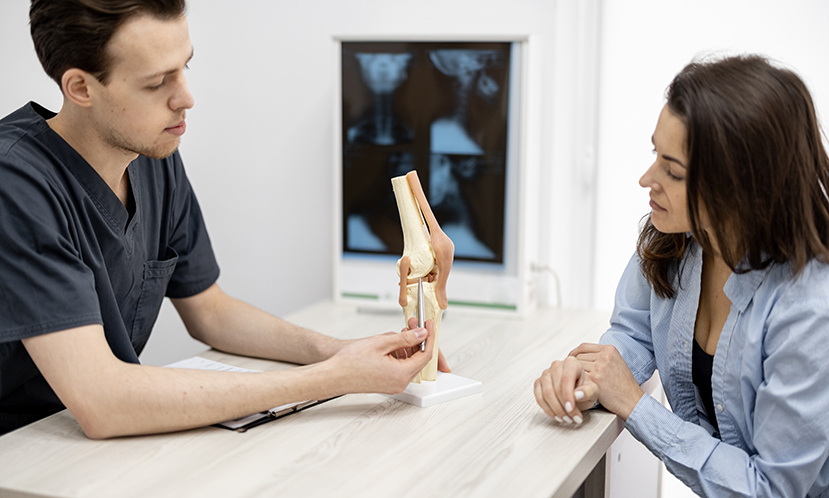
Read more: 10 Questions to Ask an Orthopedic SpecialistVisiting an orthopedic specialist can be overwhelming, especially if you’re dealing with chronic pain, impaired mobility or uncertainty about your condition. But knowing the right questions to ask during your appointment can help you understand your condition, make informed decisions about your treatment and help you feel empowered. Below are 10 questions to ask an…
Call 785-295-8000