
Sports Medicine Clinic in Topeka
At The University of Kansas Health System St. Francis Campus, we provide comprehensive services to diagnose, treat and rehabilitate patients with sports injuries. Our sports medicine specialists offer orthopedic, surgical, and rehabilitative treatments for patients of all ages. We provide services like concussion management, musculoskeletal care, and a wide variety of orthopedic treatments. Whether you are a youth sports participant, “weekend warrior” or a professional athlete, our providers utilize state-of-the-art equipment and leading-edge techniques to help you get back in the game.
Sports Injuries We Treat
Injuries requiring sports medicine care can happen anywhere, not just on athletic fields. People of all ages who play amateur sports, exercise regularly, live an active lifestyle, or have an active job can benefit from the expertise of a specialist.
Some of the most common sports and exercise-related conditions we treat include:
- Dislocations
- Fractures
- Ligament injuries
- Other sports-related injuries (e.g., pulled muscles)
- Repetitive motion injuries (e.g., carpal tunnel syndrome, tennis elbow)
- Sprains
- Tendinitis, (e.g., golfer’s elbow)
- Tendon injuries (e.g., rotator cuff injuries)
Our services include:
- Concussion management
- Knee pain treatment
- Orthopedic care
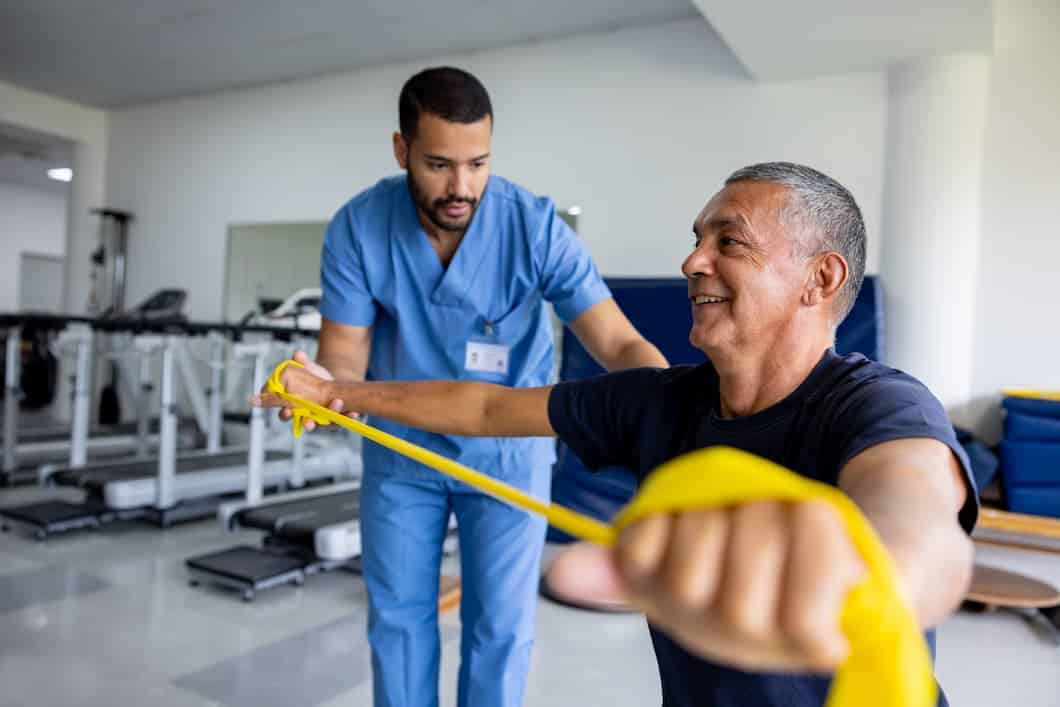
- Physical therapy and rehabilitation
Concussion Management
A concussion is a type of traumatic brain injury caused by a bump, blow, or jolt to the head that can change how your brain normally functions. Anyone with a suspected concussion should be assessed by a medical professional, such as a physician or athletic trainer. Emergent issues may arise over the first 24-72 hours, so patients should not be left alone during this time period.
Patients should go to a hospital immediately if they experience any of these concussion symptoms:
- Balance problems or dizziness
- Blurred vision or double vision
- Concentration or memory problems
- Confusion
- Difficulty recognizing people or places
- Feeling sluggish, hazy or groggy
- Headache that worsens or feeling pressure in the head
- Increased drowsiness or difficulty waking up
- Nausea or vomiting
- Seizures
- Sensitivity to light or noise
- Slurred speech
- Unusual behavior
- Weakness/numbness in arms or legs
Most people fully recover from their concussion within three weeks through physical and mental rest. But for some people, symptoms can last longer. In general, recovery may be slower among older adults, young children and teens. Those who have had a concussion in the past are also at risk of having another one and may find that it takes longer to recover if they have another concussion.
If you have had a concussion, you should avoid drinking alcohol, driving a vehicle or bike, exercising, operating heavy machinery and taking sleeping pills. Patients should also avoid aspirin and anti-inflammatory medication (such as Ibuprofen, Naproxen, or Aleve) for the first three to five days.
Athletes with a suspected concussion should NEVER return to play on the same day of their injury. It is critical for patients with concussions to rest mentally and physically until ALL symptoms have resolved. Once these symptoms have resolved, patients may start a gradual return-to play protocol:
- Step 1: Light aerobic exercise for 20 minutes (stationary cycling/brisk walking)
- Step 2: Sport-specific aerobic exercise for 20 minutes (skating in hockey/running in soccer)
- Step 3: Non-contact drills (shooting, dribbling, catching, etc.)
- Step 4: Return to full-contact practice after medical clearance by physician
- Step 5: Return to full competition
If any symptoms return during ANY step, the patient should rest for 24 hours, then restart the protocol with the previous step.
Orthopedics and Sports Medicine Walk-In Clinic in Topeka
We offer walk-in, same-day care for urgent orthopedic and sports-related injuries at our Orthopedic and Sports Medicine Walk-In Care Clinic. Our highly trained providers and orthopedic experts work together to evaluate, diagnose and treat your orthopedic injury conveniently, without an appointment.
Services
This walk-in orthopedic clinic can help if you have non-life-threatening injuries, like:
- Bone fractures within the last 72 hours (excluding facial bones, ribs or hips)
- Sprains or strains
- Sports-related injuries
- Suspected muscle, tendon or ligament tears
If you have a bone protruding through your skin, severe bleeding, head injuries or you’re struggling to breathe, call 911 or visit an emergency room immediately.
We do not treat dislocations, neck or back issues, concussions, or chronic conditions like arthritis at the walk-in clinic. To book an appointment for those conditions, call 785-233-7491.
Billing and insurance information
All walk-in clinic visits are billed as specialty care visits. Some insurance plans may require a referral. Please verify your coverage with your insurance provider prior to your visit. Imaging services, if needed, will be billed separately.
Location
Our Orthopedics and Sports Medicine Walk-In Care Clinic is in the Tallgrass Building at the address below:
6001 SW 6th Ave., suite 200
Topeka, KS 66615
To learn more about our Orthopedics and Sports Medicine Walk-In Care Clinic: