
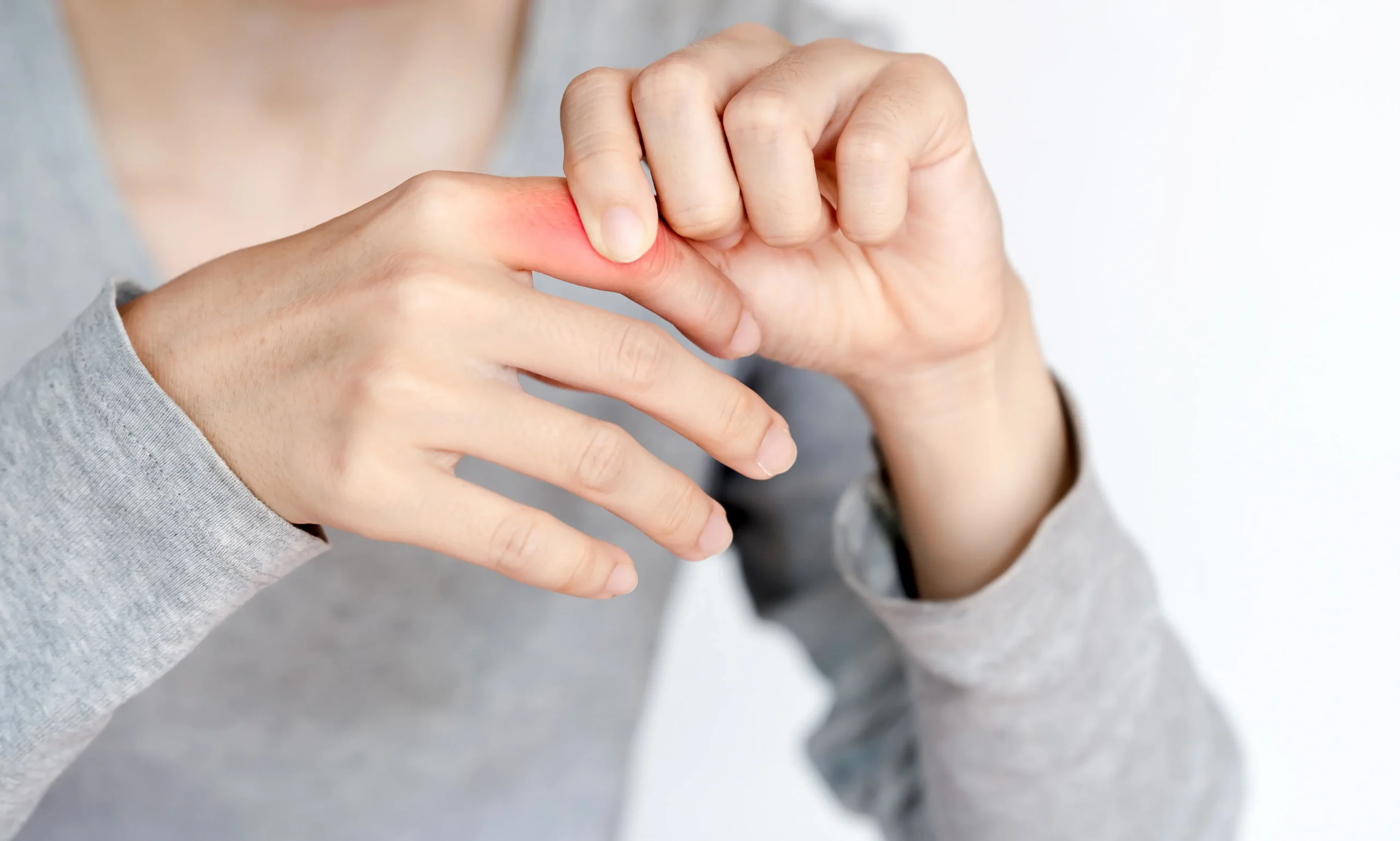
Orthopedic injuries at home are very common. Millions of people visit the emergency room every day for injuries sustained from home activities such as cleaning, cooking or gardening. Falling is the No. 1 cause of home injuries in the U.S., with children under the age of 5 and adults over 70 most susceptible to fall-related injuries. But when does an orthopedic injury warrant a visit to the doctor, and when can it be treated at home?
Slip and Falls
Falling is one of the most common ways people injure themselves at home. You might trip over clutter, slip on a wet bathroom floor or lose your balance on the stairs. Most of the time, a fall doesn’t result in any injury whatsoever. However, according to the Centers for Disease Control and Prevention (CDC), one out of five falls can cause serious injury, such as dislocation, sprain, head injury or fracture.
You can prevent falls in a number of ways, such as:
- Use non-slip mats in the bathroom
- Wear socks or shoes with grips when walking on hardwood floors
- Install grab bars in showers and on stairwells
- Don’t climb on chairs to reach something – use a stable ladder or step stool
- Manage clutter to create clear walking paths between rooms
- Turn on lights when walking around at night
Sprains and Strains
Sprains and strains are some of the most common orthopedic injuries. Sprains are injuries to the ligaments, while strains affect the muscles or tendons. Ankles, knees and wrists are most susceptible to sprains. These injuries can occur from various everyday activities, such as rolling your ankle while walking, falling and landing on an outstretched hand or hitting your knee on something hard.
Conversely, strains occur when there is a stretch or tear in the muscle fibers or tendons due to overuse, overexertion or sudden, forceful movement. Also referred to as a pulled muscle, strains commonly affect the legs and back.
If you’re faced with a sudden sprain or strain at home, remember the RICE method:
- Rest: Avoid activities that may trigger swelling, pain or discomfort. This gives your body a chance to regroup while your immune system begins the healing process.
- Ice: Applying a cold compress causes blood vessels to constrict, numbing your tissues. However, it’s important to use ice sparingly, as too much can cause tissue damage. Apply an ice pack in brief 10-15 minute intervals during the first couple of hours of being injured.
- Compression: Wrap the area with medical bandages to prevent swelling. You’ll want the bandage to be tight enough to apply gentle pressure, but not so tight that it interrupts blood flow. If your skin starts to feel cold, tingly or numb, loosen the bandage.
- Elevation: Rest your injury at an elevated level above the level of your heart, if possible. This will slow blood flow to the injury which reduces pain, throbbing and swelling.
The RICE method is only intended for minor injuries. If symptoms such as swelling or pain worsen, it’s time to see a doctor.
Stubbed Toe
Have you ever accidentally walked too close to a table and stubbed your toe on one of the legs? You’re not alone. Stubbed toes are one of the most common physical mishaps we face at home. Thankfully, they heal very quickly. Upon impact, you may experience throbbing pain that radiates to your other toes or entire foot. Other symptoms of a stubbed toe include bruising, bleeding under your nailbed, swelling or discomfort when moving your toe.
Pain from a stubbed toe generally only lasts a few hours. If your pain is severe and begins to worsen, you may have a dislocated joint or even a broken toe. If you’re unsure about the severity of your injury, seek care from a primary care physician or urgent care specialist.
Jammed Finger
A jammed finger happens when the tip of the finger is compressed toward the hand. This type of injury is technically a sprain, as it affects the ligaments. Though a jammed finger often occurs from playing sports, it can happen at home too. Falling on your hand may inflict pressure on the finger joints, leading to swelling and reduced range of movement.
The RICE method is a quick way to treat minor finger sprains, but more severe sprains should be assessed by a physician to ensure nothing has been fractured or broken.
When to Seek Orthopedic Care for an Injury
When treating an injury at home isn’t enough, that’s when a specialist comes in. If you’re experiencing chronic pain from an injury or worsening symptoms, it’s time to seek care. Don’t let an injury hold you back – take the first step toward joint relief and schedule an appointment with a primary care provider or orthopedic specialist today.
Call 785-232-0444 to schedule an appointment with an orthopedic specialist.